OIL & GAS AUTOMATION
PLC, HMI, SCADA, instrumentation, electrical, and process-control solutions for upstream, midstream, and downstream facilities.
RELIABLE CONTROL ACROSS THE OIL AND GAS PROCESS
Industrial Systems Integrators designs and integrates automation systems for oil production, gas processing, pipelines, terminals, tank farms, and refining operations.
ISI connects pumps, compressors, separators, tanks, valves, burners, instrumentation, PLCs, RTUs, HMIs, SCADA systems, and operating data into coordinated control systems.
From a remote production site to a plantwide modernization project, we develop controls around the actual process, operating requirements, equipment limitations, area classifications, and existing infrastructure.
OIL & GAS AUTOMATION SERVICES
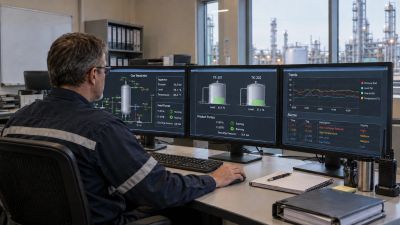
PRODUCTION & SEPARATION CONTROLS
Control well streams, separators, heater treaters, dehydration equipment, chemical injection, export pumps, and produced-water systems.
PIPELINE & PUMP-STATION AUTOMATION
Coordinate pumps, compressors, valves, pressure control, flow measurement, station permissives, and remote operating commands.
TANK FARM & TERMINAL CONTROLS
Automate tank transfers, loading systems, pumps, valves, level monitoring, blending, inventory measurements, and high-level alarms.
GAS COMPRESSION & PROCESSING
Integrate compressors, scrubbers, dehydration systems, coolers, valves, pressure loops, and supporting process equipment.
BURNER & HEATER CONTROLS
Develop burner, furnace, heater, purge, flame-monitoring, temperature-control, and equipment-interlock systems.
SCADA, TELEMETRY & DATA
Connect remote sites, pipelines, storage areas, and process units through centralized monitoring, alarms, trends, and reporting.
OIL AND GAS FACILITIES WE SUPPORT
- Oil production sites
- Natural-gas production sites
- Well pads
- Central gathering facilities
- Three-phase separator systems
- Produced-water facilities
- Compressor stations
- Natural-gas processing plants
- Pipeline pump stations
- Remote valve stations
- Crude-oil terminals
- Tank farms
- Loading and unloading facilities
- Refineries
- Blending facilities
- Metering stations
- Chemical-injection systems
- Fuel-gas systems
- Industrial utility systems
PRODUCTION AND SEPARATION AUTOMATION
Oil and gas production controls must maintain pressure, level, temperature, and flow while coordinating multiple outlet streams and supporting equipment.
ISI develops control systems for:
- Well-stream inlet control
- Two-phase and three-phase separators
- Separator pressure control
- Oil and water interface levels
- Gas outlet control
- Oil dump valves
- Water dump valves
- Heater treaters
- Dehydration equipment
- Demulsifier and chemical injection
- Export pumps
- Produced-water transfer
- Tank-level monitoring
- High- and low-level alarms
- Pump permissives and interlocks
- Equipment shutdown interfaces
HMI and SCADA displays provide operators with equipment status, process measurements, controller outputs, active alarms, and historical trends.
PIPELINE, PUMP, AND COMPRESSOR STATION CONTROLS
Pipeline systems depend on coordinated pressure, flow, equipment availability, and communication between remote stations.
ISI integrates:
- Crude-oil transfer pumps
- Product pipeline pumps
- Natural-gas compressors
- Booster pumps
- Suction and discharge pressure
- Flow measurement
- Motor and drive status
- Valve position monitoring
- Equipment permissives
- Lead, lag, and standby sequencing
- Local and remote operating modes
- Vibration and temperature inputs
- Metering equipment
- Communication-health monitoring
- Station alarm notification
- Emergency-shutdown interfaces
Control strategies are developed around the process, equipment manufacturer requirements, operating limits, and owner standards.
TANK FARM, STORAGE, AND TERMINAL AUTOMATION
Tank farms and terminals require clear product routing and dependable coordination between tanks, pumps, valves, meters, and loading equipment.
ISI provides controls for:
- Tank-level monitoring
- High-level and high-high-level alarms
- Tank temperature monitoring
- Transfer-pump control
- Valve sequencing
- Product routing
- Lineup confirmation
- Tank-to-tank transfers
- Blending operations
- Loading and unloading systems
- Metering-skid integration
- Truck and rail loading interfaces
- Vapor-recovery equipment
- Pump recirculation
- Inventory-data collection
- Transfer permissives and interlocks
Operators can monitor the complete transfer path and identify which tank, pump, valve, or process condition is preventing operation.
REFINERY AND PROCESS-UNIT CONTROLS
Refinery automation requires coordination across process units, utility systems, storage areas, and product-transfer operations.
ISI provides controls for:
- Crude-oil receiving
- Desalting systems
- Feed pumps
- Fired heaters and furnaces
- Atmospheric distillation
- Vacuum distillation
- Column pressure and temperature
- Reflux systems
- Steam control
- Side draws and product routing
- Hydrotreating equipment
- Cracking-unit interfaces
- Product blending
- Process tanks
- Utility systems
- Product pumps
- Alarm and trend systems
- Controlled startup and shutdown sequences
We can work with standalone PLC systems or exchange information with existing distributed control systems and plantwide SCADA platforms.
BURNER, FURNACE, AND HEATER CONTROLS
Combustion systems require defined operating sequences, verified permissives, and clear fault information.
ISI provides controls for:
- Fuel-gas pressure monitoring
- Combustion-air equipment
- Purge sequences
- Pilot ignition
- Main-burner ignition
- Flame detection
- Burner permissives
- Temperature control
- Pressure monitoring
- Draft and airflow inputs
- Valve-position feedback
- Trip and shutdown inputs
- Alarm history
- Operator startup and shutdown commands
Controls are developed around the equipment requirements, process design, owner standards, and applicable project requirements.
OIL AND GAS SCADA AND REMOTE TELEMETRY
Production sites, tank facilities, pipelines, and compressor stations may be spread across a large operating area.
ISI develops centralized monitoring systems using:
- Remote terminal units
- Programmable logic controllers
- Licensed radio systems
- Unlicensed industrial radios
- Cellular communications
- Fiber-optic networks
- Industrial Ethernet
- Existing plant networks
SCADA systems can provide:
- Pressure, temperature, level, and flow
- Pump and compressor status
- Valve positions
- Tank inventories
- Metering data
- Equipment runtimes
- Alarm notification
- Communication status
- Historical trends
- Operator commands
- Generator and utility-power status
- Remote-site diagnostics
Communication loss and stale data are clearly identified so operators know when remote information cannot be trusted.
PLC, HMI, SCADA, AND CONTROL-SYSTEM MODERNIZATION
Obsolete controllers and unsupported operator interfaces increase maintenance difficulty and downtime risk.
Modernization services can include:
- Existing-system investigation
- PLC and RTU replacement
- HMI and SCADA migration
- DCS interface upgrades
- Obsolete drive replacement
- Remote I/O modernization
- Industrial network upgrades
- Alarm improvements
- Historian integration
- Control-panel modifications
- Instrumentation replacement
- Program backups
- Updated electrical drawings
- Phased installation planning
- Cutover and startup support
Projects can be divided into controlled phases around production schedules, shutdowns, turnarounds, and equipment availability.
SYSTEMS AND EQUIPMENT WE INTEGRATE
- Programmable logic controllers
- Remote terminal units
- Distributed-control-system interfaces
- Remote I/O systems
- HMI operator interfaces
- SCADA platforms
- Industrial historians
- Variable-frequency drives
- Soft starters
- Motor-control centers
- Oil and product pumps
- Natural-gas compressors
- Separators
- Heater treaters
- Dehydration equipment
- Process heaters and furnaces
- Storage tanks
- Motor-operated valves
- Control valves
- Metering skids
- Chemical-injection systems
- Loading systems
- Vapor-recovery equipment
- Pressure instrumentation
- Temperature instrumentation
- Flow instrumentation
- Level instrumentation
- Analytical instruments
- Fire-and-gas system interfaces
- Emergency-shutdown interfaces
- Industrial radio systems
- Fiber and Ethernet networks
- Control panels and junction boxes
DESIGNED FOR OIL AND GAS OPERATIONS
PROCESS VISIBILITY
PERMISSIVES AND INTERLOCKS
PERMISSIVES AND INTERLOCKS
HMI and SCADA displays organize equipment status, process measurements, controller outputs, alarms, and trends around the actual operating process.
PERMISSIVES AND INTERLOCKS
PERMISSIVES AND INTERLOCKS
PERMISSIVES AND INTERLOCKS
Control logic verifies required equipment and process conditions before pumps, compressors, valves, burners, or operating sequences are started.
REMOTE-SITE MONITORING
MAINTAINABLE SYSTEM DESIGN
MAINTAINABLE SYSTEM DESIGN
Centralized SCADA gives operators visibility into production sites, tanks, pipelines, and equipment that may be located miles apart.
MAINTAINABLE SYSTEM DESIGN
MAINTAINABLE SYSTEM DESIGN
MAINTAINABLE SYSTEM DESIGN
Organized programs, consistent tag names, backups, alarm descriptions, and current documentation help maintenance personnel support the system.
HOW ISI DELIVERS OIL AND GAS AUTOMATION PROJECTS
1. PROCESS & EQUIPMENT REVIEW
1. PROCESS & EQUIPMENT REVIEW
1. PROCESS & EQUIPMENT REVIEW
HMI and SCADA displays organize equipment status, process measurements, controller outputs, alarms, and trends around the actual operating process.
2. CONTROLS ENGINEERING
1. PROCESS & EQUIPMENT REVIEW
1. PROCESS & EQUIPMENT REVIEW
Control logic verifies required equipment and process conditions before pumps, compressors, valves, burners, or operating sequences are started.
3. PROGRAMMING & INTEGRATION
3. PROGRAMMING & INTEGRATION
3. PROGRAMMING & INTEGRATION
Centralized SCADA gives operators visibility into production sites, tanks, pipelines, and equipment that may be located miles apart.
4. TESTING & STARTUP
3. PROGRAMMING & INTEGRATION
3. PROGRAMMING & INTEGRATION
Organized programs, consistent tag names, backups, alarm descriptions, and current documentation help maintenance personnel support the system.
COMMON OIL AND GAS AUTOMATION PROJECTS
- Well-site RTU controls
- Three-phase separator controls
- Produced-water automation
- Export-pump controls
- Pipeline pump-station automation
- Compressor-station integration
- Tank-farm SCADA
- Tank-transfer controls
- Terminal loading systems
- Pipeline telemetry
- Chemical-injection controls
- Metering-skid integration
- Burner and heater controls
- Furnace-control upgrades
- PLC and HMI modernization
- DCS and PLC integration
- SCADA expansion
- Alarm-system improvements
- Historian and reporting integration
- MCC and VFD upgrades
- Control-panel replacement
- Industrial network modernization
- Remote-access improvements
- Shutdown and turnaround support
- Troubleshooting and emergency support
OIL & GAS AUTOMATION FAQ
Yes. Our controls capabilities apply to production, gathering, processing, pipeline, storage, terminal, and refining operations.
Yes. We can develop phased installation and cutover plans around production requirements, available shutdowns, and operating limitations.
Yes. ISI can integrate remote sites through radio, cellular, fiber, Ethernet, or existing communication infrastructure and connect them to a centralized SCADA system.
Yes. We can exchange equipment, process, alarm, and operating data with existing PLC, DCS, SCADA, historian, and reporting systems.
Yes. Controls, instrumentation, panels, and electrical equipment can be selected around documented area classifications, project specifications, owner standards, and installation requirements.
Yes. ISI provides control-panel engineering, manufacturing, assembly, programming, testing, labeling, documentation, and field integration.
Yes. We can prepare control changes, test programs, coordinate cutovers, support commissioning, and troubleshoot systems during planned shutdowns and turnarounds.
Related Industrial Services
INDUSTRIAL AUTOMATION
CONTROL PANEL MANUFACTURING
ELECTRICAL ENGINEERING
PLC, HMI, SCADA, drives, controls, and equipment integration for automated systems.
ELECTRICAL ENGINEERING
CONTROL PANEL MANUFACTURING
ELECTRICAL ENGINEERING
Develop power, control, instrumentation, communication, and installation designs for treatment facilities and remote utility sites.
CONTROL PANEL MANUFACTURING
CONTROL PANEL MANUFACTURING
CONTROL PANEL MANUFACTURING
Custom conveyor and warehouse control panels assembled, labeled, programmed, tested, and documented for field installation.
INDUSTRIAL ANALYTICS
CONTROL PANEL MANUFACTURING
CONTROL PANEL MANUFACTURING
Throughput, production counts, equipment status, downtime, alarms, routing results, trends, and operating data.